water heater kitchener

water heater maintenance

Water Heater Maintenance Tips to Extend Lifespan

Water heater maintenance is an important part of keeping your home’s hot water system running efficiently and reliably. A water heater works every day to provide hot water for showers, laundry, dishes, and household cleaning, but like any major home appliance, it requires regular care to continue operating properly. Proper water heater maintenance can help extend the lifespan of your system, improve performance, and reduce the risk of unexpected breakdowns. For homeowners in Kitchener, Waterloo, Cambridge, and surrounding communities, routine maintenance is especially important because factors such as hard water, mineral buildup, and seasonal temperature changes can affect plumbing equipment over time. This guide explains simple maintenance steps homeowners can take, what warning signs to watch for, and when professional service may be needed. Quick Answer: How Do You Maintain a Water Heater? Regular water heater maintenance includes: Checking for leaks around the unit Monitoring hot water performance Inspecting plumbing connections Watching for unusual noises Addressing signs of corrosion Scheduling professional inspections when needed Routine maintenance helps identify small problems before they become expensive repairs or require emergency replacement. Why Water Heater Maintenance Matters A water heater is a significant investment in your home. Without proper maintenance, sediment buildup, corrosion, and component wear can reduce efficiency and shorten the lifespan of the system. Regular maintenance can help: Improve energy efficiency Maintain consistent hot water Reduce unexpected repairs Protect plumbing components Extend the life of the unit Regular maintenance can help identify small problems before they become expensive repairs or require emergency replacement. Homeowners looking to better understand their system can also review this water heater maintenance and efficiency guide from Natural Resources Canada for information on reducing water heating costs and improving system performance. Check Your Water Heater for Leaks One of the simplest maintenance steps is regularly checking your water heater for signs of leaks. Inspect the area around the unit and look for: Water pooling near the base Damp areas Corrosion around connections Moisture on pipes or fittings Even a small leak should not be ignored. A leaking connection may be repairable, but moisture coming from the tank itself may indicate the unit is nearing the end of its lifespan. If you notice ongoing leaks, read our guide on 7 Signs Your Water Heater Needs Replacing to understand when replacement may be necessary. Monitor Hot Water Performance Changes in hot water performance can be an early warning sign of a developing issue. Pay attention if you notice: Hot water running out faster than usual Longer heating times Inconsistent temperatures Reduced hot water supply These issues may be caused by: Sediment buildup Aging components Heating element problems Incorrect water heater sizing Addressing these problems early may prevent more expensive repairs later. Watch for Rust and Corrosion Rust is one of the most common concerns with aging water heaters. Over time, corrosion can affect: The tank Plumbing connections Valves Fittings Rust-coloured water from hot taps may indicate corrosion inside the system. If corrosion is present, a professional plumber can determine whether repairs are possible or if replacement is the better option. Reduce Sediment and Mineral Buildup Homes throughout Waterloo Region can experience hard water, which means minerals naturally present in the water supply may accumulate over time. Inside a water heater, sediment buildup can: Reduce heating efficiency Create unusual noises Increase energy use Put additional strain on the system Regular maintenance can help manage buildup and improve performance. Homeowners dealing with ongoing hard water concerns may also consider whether a water softener installation could help protect plumbing fixtures and appliances. Check Your Water Heater Temperature Setting Maintaining an appropriate temperature setting can help balance comfort, efficiency, and safety. A temperature setting that is too high may: Increase energy consumption Increase the risk of scalding A setting that is too low may affect hot water availability. Homeowners should follow manufacturer recommendations and consult a professional if they are unsure about the correct setting for their system. Know When to Call a Professional Plumber While homeowners can perform basic checks, some maintenance tasks require professional experience. Contact a plumber if you notice: Water leaks Unusual noises No hot water Frequent temperature changes Rust-coloured water Rising energy costs A professional plumber can inspect your system, identify potential issues, and recommend whether maintenance, repair, or replacement is the best option. How Professional Water Heater Maintenance Helps Professional maintenance goes beyond a visual inspection. A plumber can: Check system components Inspect connections Identify early warning signs Recommend repairs Improve system reliability Regular professional service can help homeowners get the most value from their water heater investment. For homeowners planning a replacement, our guide on Water Heater Installation in Kitchener explains what to consider when selecting a new system. Water Heater Maintenance and Lifespan Proper maintenance can help maximize your water heater’s expected lifespan. Most traditional tank water heaters last approximately 8 to 12 years, depending on: Water quality Installation quality Usage patterns Maintenance history While maintenance cannot prevent every failure, it can help your system operate efficiently and allow homeowners to identify problems before they become emergencies. Learn more about water heater lifespan and the factors that affect how long your system lasts. Frequently Asked Questions About Water Heater Maintenance How often should a water heater be maintained? Homeowners should regularly inspect their water heater and consider professional maintenance based on the system type, age, and condition. Does water heater maintenance extend lifespan? Yes. Regular maintenance can help reduce wear, improve efficiency, and identify issues before they lead to major failures. What happens if a water heater is not maintained? Without maintenance, sediment buildup, corrosion, and component failures may reduce efficiency and shorten the system’s lifespan. Should I maintain an older water heater? Yes. Maintenance is especially important for older units because it can help identify whether repairs or replacement may be needed. Why Homeowners Trust Brickfield Plumbing Proper water heater maintenance helps homeowners protect their investment and avoid unexpected plumbing problems. Brickfield Plumbing proudly serves homeowners throughout Kitchener, Waterloo, Cambridge, Guelph, and surrounding

Water Heater Maintenance Tips to Extend Lifespan Read More »
water heater lifespan

How Long Does a Water Heater Last in Ontario?

Most traditional tank water heaters last approximately 8 to 12 years, although the actual water heater lifespan depends on factors such as water quality, maintenance, installation quality, household usage, and the condition of the unit. In Ontario, homeowners may notice their water heater requires replacement sooner if mineral buildup, corrosion, or heavy usage affects performance over time. Regular maintenance and early attention to warning signs can help extend the life of your system and prevent unexpected breakdowns. Why Water Heater Lifespan Matters for Homeowners A water heater is one of the most frequently used appliances in a home. Every day, it provides hot water for: Showers and baths Laundry Dishwashing Cleaning Household activities Because your water heater operates throughout the year, normal wear and tear gradually affects its performance. Understanding how long a water heater lasts helps homeowners plan ahead instead of waiting until a complete failure occurs. A sudden water heater breakdown can lead to: Loss of hot water Emergency replacement costs Potential water damage Disruption to daily routines Knowing the age and condition of your unit allows you to make informed decisions about repairs, maintenance, or replacement. Average Water Heater Lifespan in Ontario The average lifespan of a traditional tank water heater is generally: 8 to 12 years for most residential units Longer with proper maintenance and ideal conditions Shorter when affected by corrosion, hard water, or poor maintenance Tankless water heaters can often last longer when properly installed and maintained, but their lifespan also depends on usage, water quality, and regular servicing. For homeowners considering replacement options, our guide on Water Heater Installation in Kitchener explains what to consider when selecting a new system. Factors That Affect Water Heater Lifespan Several factors influence how long your water heater will continue working effectively. Water Quality and Mineral Buildup Water quality plays an important role in determining water heater lifespan. Many homes throughout Kitchener, Waterloo, Cambridge, and Guelph experience hard water conditions. Minerals such as calcium and magnesium can accumulate inside plumbing systems and appliances over time. Inside a water heater tank, mineral buildup can: Reduce heating efficiency Increase sediment accumulation Create unusual noises Put additional strain on the system Homeowners interested in understanding local water conditions can review Region of Waterloo water quality information for details about the area’s water supply. Regular Maintenance Routine maintenance can help identify problems before they become major failures. Maintenance may include: Checking for leaks Inspecting connections Monitoring temperature consistency Removing sediment buildup when appropriate Scheduling professional inspections A well-maintained water heater is more likely to operate efficiently and provide reliable performance. Installation Quality Proper installation affects both safety and long-term performance. Incorrect connections, improper sizing, or installation issues can reduce efficiency and create future problems. Working with an experienced plumber ensures your system is installed correctly and suitable for your household needs. Household Water Usage The amount of hot water your household uses also affects lifespan. A larger family using multiple showers, appliances, and fixtures every day places more demand on the system compared with a smaller household. Choosing the right water heater size is important because an undersized unit may work harder than necessary. Signs Your Water Heater May Be Near the End of Its Lifespan Age alone is not the only factor when deciding whether to replace a water heater. Watch for these warning signs: Inconsistent Hot Water If your hot water supply is becoming unreliable, the unit may no longer be heating efficiently. Rust-Coloured Water Rust or discoloured water may indicate corrosion inside the tank or plumbing system. Strange Noises Popping, rumbling, or banging sounds may be caused by sediment buildup inside the tank. Water Around the Tank Any moisture around the base of your water heater should be inspected. A leaking tank often indicates that replacement may be necessary. Frequent Repairs If you are repeatedly paying for repairs, replacing the unit may provide better long-term value. For more details, read our guide on 7 Signs Your Water Heater Needs Replacing. How Maintenance Can Extend Water Heater Lifespan While no water heater lasts forever, regular maintenance can help maximize performance. Homeowners can: Check for Visible Leaks Regularly inspect the area around your water heater for moisture, corrosion, or damaged connections. Monitor Performance Pay attention to changes such as: Longer heating times Reduced hot water supply Increased energy costs Unusual sounds Small changes can indicate developing issues. Maintain Proper Temperature Settings Keeping water temperature at an appropriate setting can improve efficiency and reduce unnecessary strain on the system. Schedule Professional Service Professional inspections can help identify issues that may not be obvious to homeowners. A plumber can assess the condition of the unit and recommend whether maintenance, repair, or replacement is the best option. When Should You Replace Your Water Heater? Many homeowners begin considering replacement when their unit reaches 10 years or older. Replacement may make sense when: The water heater is nearing the end of its expected lifespan Repairs are becoming frequent The tank is leaking Energy costs are increasing Hot water performance has declined Replacing a water heater before a complete failure can help homeowners avoid emergency situations. If you are deciding whether replacement makes sense, read our guide on Repair or Replace Your Water Heater? Choosing a New Water Heater for Your Ontario Home When replacing an older system, homeowners have several options. Common choices include: Traditional tank water heaters Tankless water heaters Gas water heaters Electric water heaters The best option depends on: Household size Hot water demand Available space Budget Existing plumbing setup Homeowners comparing different systems can also read our guide on Tank vs Tankless Water Heater to understand the advantages and limitations of each option. Frequently Asked Questions About Water Heater Lifespan How long does a water heater last? Most traditional tank water heaters last approximately 8 to 12 years. Proper maintenance and good water quality can help extend lifespan. Should I replace my 10-year-old water heater? A 10-year-old water heater may still operate properly, but homeowners should monitor performance and

How Long Does a Water Heater Last in Ontario? Read More »

tank vs tankless water heater

Tank vs Tankless Water Heater: Which Is Better?

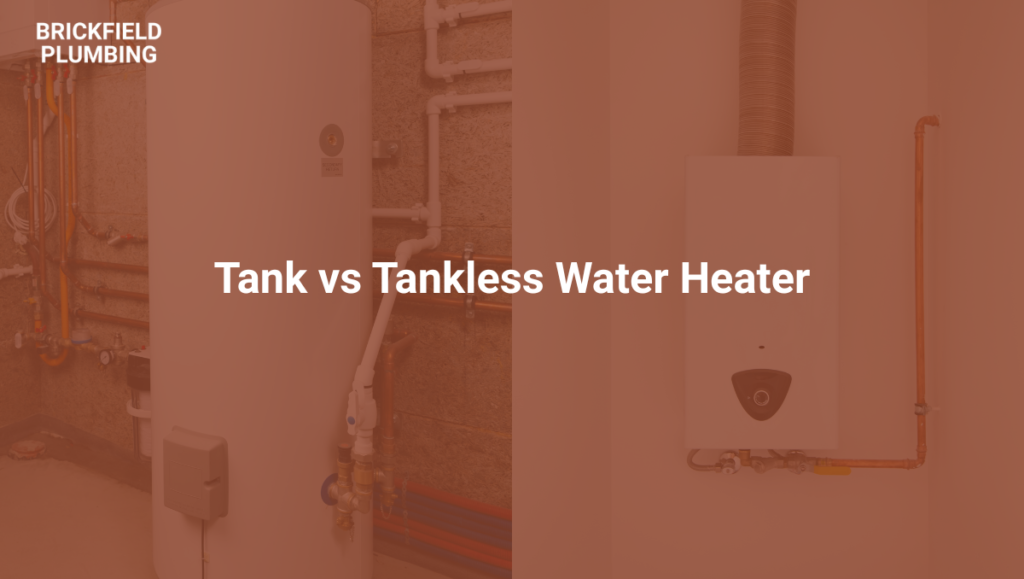
Choosing between a tank vs tankless water heater is an important decision for homeowners replacing an old unit or upgrading their home’s hot water system. The right option depends on your household size, hot water needs, budget, available space, and long-term goals. Traditional tank water heaters have been used in Canadian homes for decades because they are reliable and affordable. However, tankless systems have become increasingly popular because they offer on-demand hot water and improved efficiency. Both options have advantages and limitations. This guide explains the differences between tank and tankless water heaters, including installation costs, energy efficiency, maintenance requirements, and which system may be the best fit for your Kitchener, Waterloo, Cambridge, or Guelph home. Quick Answer: Tank vs Tankless Water Heater A tank water heater stores and heats a set amount of water, making it a reliable and affordable option for many households. A tankless water heater heats water only when needed, providing continuous hot water while using less energy in many situations. The best choice depends on: Household hot water usage Number of bathrooms Available space Budget Energy goals Existing plumbing setup For many homeowners, a traditional tank system remains the most practical choice. Others may benefit from upgrading to a tankless system. A professional plumber can help determine which option fits your home’s needs. How Tank Water Heaters Work Traditional tank water heaters are the most common type found in residential homes. These systems store a specific amount of heated water inside an insulated tank. When hot water is used, cold water enters the tank and is heated to maintain the supply. Common tank sizes include: 40-gallon units 50-gallon units Larger capacity systems for bigger households Advantages of Tank Water Heaters Tank systems remain popular because they offer: Lower Upfront Cost Tank water heaters typically have a lower purchase and installation cost compared with tankless models. Reliable Performance They provide a ready supply of hot water and are familiar to most homeowners and plumbers. Easier Replacement Replacing an existing tank water heater is usually straightforward because many homes are already designed for this type of system. Disadvantages of Tank Water Heaters Tank systems also have some limitations: Limited Hot Water Supply Once the stored hot water is used, homeowners may need to wait for the tank to refill and reheat. Standby Heat Loss Because water is stored continuously, some energy is used to maintain the temperature even when hot water is not being used. Larger Space Requirements Tank water heaters require dedicated space for installation. How Tankless Water Heaters Work Tankless water heaters operate differently from traditional systems. Instead of storing hot water, they heat water only when a faucet, shower, or appliance requires it. When hot water is turned on, cold water passes through a heating component that warms it instantly before reaching the fixture. Advantages of Tankless Water Heaters Endless Hot Water Because tankless systems heat water on demand, they can provide a continuous supply when properly sized. This can be beneficial for larger households with high hot water demand. Improved Energy Efficiency Tankless systems avoid standby heat loss because they do not continuously maintain a tank of hot water. Homeowners comparing energy-efficient options can also review ENERGY STAR Canada certified products when researching newer appliances. Smaller Footprint Tankless systems are compact and can free up valuable storage space. Disadvantages of Tankless Water Heaters Higher Installation Cost Tankless systems generally have a higher upfront cost because installation may require additional electrical, gas, or venting adjustments. Maintenance Requirements Tankless units typically require regular maintenance to manage mineral buildup, especially in areas with hard water. May Require Upgrades Some homes may need plumbing or utility upgrades before installing a tankless system. Tank vs Tankless Water Heater: Comparing Costs Cost is one of the biggest factors homeowners consider. Initial Installation Cost Tank water heaters are generally less expensive to purchase and install. Tankless systems often require a larger initial investment due to: Equipment cost Installation complexity Possible upgrades Long-Term Operating Costs Tankless water heaters may reduce energy waste because they only heat water when needed. However, the actual savings depend on: Household usage Energy rates System size Maintenance The cheapest option upfront is not always the least expensive option over the lifespan of the unit. Before choosing a new system, homeowners should also consider whether their current water heater needs repair or replacement. Factors such as the age of the unit, repair frequency, and long-term operating costs can help determine the best option. Learn more in our guide on repairing or replacing your water heater. Tank vs Tankless Water Heater: Energy Efficiency Energy efficiency is another important consideration. Tank systems continuously maintain stored water temperature, which can result in standby heat loss. Tankless systems eliminate this because they only operate when hot water is required. However, efficiency depends on proper installation, regular maintenance, and choosing the right system size. Homeowners comparing gas-powered water heating options can also review natural gas energy efficiency information to better understand how energy use can impact household operating costs. A professional plumber can help homeowners compare options based on their household’s actual needs. Maintenance Differences Between Tank and Tankless Water Heaters Both systems require maintenance to operate properly. Tank Water Heater Maintenance Maintenance may include: Checking for leaks Inspecting connections Monitoring performance Flushing sediment buildup Tankless Water Heater Maintenance Tankless systems may require: Mineral buildup removal System flushing Component inspections Homes throughout Waterloo Region often experience hard water, which can contribute to mineral buildup in plumbing appliances. Regular maintenance can help protect your investment and extend system lifespan. Tank vs Tankless Water Heater: Which Is Better for Your Home? There is no single answer because every household is different. A tank water heater may be better if you want: Lower upfront costs Simple replacement Reliable performance A familiar system A tankless water heater may be better if you want: Continuous hot water More installation flexibility Improved efficiency A smaller footprint The best option depends on your home’s plumbing setup and your

Tank vs Tankless Water Heater: Which Is Better? Read More »

repair or replace water heater

Repair or Replace Water Heater? A Homeowner’s Guide

If you’re trying to decide whether to repair or replace your water heater, the answer depends on its age, condition, repair costs, and overall performance. Minor issues such as a faulty thermostat or pressure relief valve can often be repaired. However, if your unit is more than 10 years old, requires frequent repairs, or has a leaking tank, replacement is usually the better long-term investment. Making the right decision can help you avoid unexpected breakdowns, improve energy efficiency, and reduce future repair costs. Why This Decision Matters A water heater is one of the hardest-working appliances in your home. It provides hot water every day for showers, laundry, cooking, and cleaning. When problems develop, many homeowners automatically assume the unit needs to be replaced. In reality, some issues are relatively minor and can be repaired. On the other hand, repeatedly fixing an aging system can become more expensive than investing in a new water heater. Understanding when to repair and when replacement makes more sense allows homeowners to make an informed decision instead of reacting to an emergency. Can You Repair or Replace a Water Heater? Many common water heater problems can be repaired without replacing the entire unit. Repairs may be appropriate when the issue involves a replaceable component rather than the storage tank itself. Examples include: Faulty thermostat Heating element failure Pressure relief valve replacement Thermocouple replacement Minor plumbing connection leaks Loose fittings If your water heater is relatively new and has otherwise been operating reliably, repairing these components may restore normal performance. A qualified plumber can inspect the unit and determine whether a repair is likely to provide dependable long-term results. When to Repair or Replace a Water Heater Although repairs are sometimes possible, there comes a point when replacement becomes the more practical solution. You should strongly consider replacing your water heater if: Your Water Heater Is More Than 10 Years Old Most traditional tank water heaters have an expected lifespan of approximately 8 to 12 years. As systems age, internal corrosion, sediment buildup, and normal wear begin affecting reliability and efficiency. If your unit is approaching the end of its expected lifespan, replacement is often more cost-effective than continuing to repair it. The Tank Is Leaking A leaking storage tank is one of the clearest signs that replacement is necessary. Unlike replaceable components, the tank itself cannot typically be repaired once corrosion has weakened the metal. Ignoring a leaking tank can increase the risk of water damage inside your home. Repairs Are Becoming Frequent Occasional repairs are normal. However, repeated service calls within a short period often indicate the system is reaching the end of its useful life. If you’re regularly paying for repairs, replacing the unit may save money over the long term. Energy Efficiency Has Declined Older water heaters generally require more energy to produce the same amount of hot water. If you have noticed rising utility costs while your household’s water usage has remained similar, your water heater may no longer be operating efficiently. Homeowners comparing newer models can also review energy efficiency information from Natural Resources Canada to better understand energy-saving options. Repair or Replace Water Heater: Cost vs. Long-Term Value Many homeowners focus only on the immediate repair cost. However, it is equally important to consider long-term value. For example: A $250 repair on a three-year-old water heater may be worthwhile. The same repair on a twelve-year-old unit may simply delay an inevitable replacement. When comparing options, consider: Age of the unit Cost of the repair Likelihood of future repairs Energy efficiency Household hot water needs Sometimes spending more today can reduce repair costs and improve efficiency for years to come. Homeowners looking to lower household energy costs can also review home energy saving tips to identify practical ways to improve energy efficiency throughout the home, including water heating. Safety Considerations When You Repair or Replace a Water Heater Water heaters involve plumbing connections and, depending on the model, gas or electrical systems. Improper repairs or installations can create unnecessary safety risks. Professional installation and replacement help ensure: Safe plumbing connections Proper venting for gas units Correct pressure relief valve operation Reliable performance Leak prevention For Ontario homeowners, gas-fired water heater installations should follow applicable Technical Standards and Safety Authority (TSSA) requirements. Questions to Ask Before You Repair or Replace a Water Heater Before deciding whether to repair or replace your water heater, ask: How old is my current unit? What caused the problem? Can the issue be repaired permanently? What is the estimated repair cost? How much longer is the unit expected to last? Would replacement improve efficiency? Which type of water heater is best for my household? A trustworthy plumber will explain your options and recommend the solution that provides the greatest long-term value rather than simply suggesting the most expensive option. Professional Advice Can Help You Repair or Replace a Water Heater Every household has different hot water needs. A plumber can assess: Household size Daily hot water usage Existing plumbing Available fuel source Budget Future maintenance requirements Professional recommendations help ensure you choose a solution that fits both your home and your long-term needs. If replacement is the best option, understanding the installation process can also make the decision easier. Learn more in our guide to Water Heater Installation in Kitchener. Frequently Asked Questions About Repair or Replace Water Heater Is it worth repairing an old water heater? If the unit is nearing the end of its expected lifespan or requires frequent repairs, replacement is often the better investment. Can a leaking water heater be repaired? Small leaks from plumbing connections may be repairable. A leaking storage tank usually requires replacement. How long should a water heater last? Most traditional tank water heaters last approximately 8 to 12 years, although maintenance and local water quality can affect lifespan. How do I know if replacement is cheaper than repair? Consider the age of the unit, repair costs, energy efficiency, and the likelihood of additional repairs. An

Repair or Replace Water Heater? A Homeowner’s Guide Read More »

water heater replacement

Water Heater Replacement: 7 Signs You Need a New Unit

Water heater replacement is something many homeowners eventually need to consider as their system ages, loses efficiency, or begins showing signs of failure. Your water heater provides hot water for showers, laundry, cleaning, and everyday household needs, but like any major appliance, it will not last forever. Knowing the signs that indicate you need water heater replacement can help you avoid unexpected breakdowns, water damage, and costly emergency repairs. For homeowners in Kitchener, Waterloo, Cambridge, and surrounding communities, factors such as hard water, household usage, and the age of the system can all affect how long a water heater lasts. This guide explains the most common warning signs that your water heater may need replacing and when it is time to contact a professional plumber. Quick Answer: When Should You Replace Your Water Heater? Most water heaters last approximately 8 to 12 years, depending on maintenance, water quality, installation, and usage. You may need a water heater replacement if you notice: Inconsistent hot water Rust-coloured water Water leaking around the tank Strange noises Higher energy bills Frequent repairs A unit that is more than 10 years old Replacing your water heater before it completely fails can help prevent major disruptions and potential water damage. For homeowners considering a new system, our complete guide on water heater installation in Kitchener explains available options, installation considerations, and what to expect during replacement. Why Water Heaters Don’t Last Forever Water heaters operate every day, constantly heating and storing water. Over time, normal wear and tear can affect: Heating components Internal tank lining Valves Plumbing connections Overall efficiency Sediment buildup is another common issue, especially in areas with hard water. Minerals from the water supply can settle at the bottom of the tank, forcing the system to work harder and reducing performance. While regular maintenance can help extend the lifespan of a water heater, eventually replacement becomes the more practical option. Sign #1: Inconsistent Hot Water One of the first signs that a water heater may be failing is inconsistent hot water. You may notice: Hot water running out faster than before Water temperature changing unexpectedly Longer recovery times between uses This can happen because internal components are wearing out or because the unit can no longer meet your household’s hot water demand. For example, a growing family may require a larger system than what was originally installed. A professional plumber can determine whether the issue can be repaired or if replacement is the better long-term solution. Sign #2: Rust-Coloured Water Rust-coloured or cloudy hot water may indicate corrosion inside your water heater. While some discolouration can come from plumbing pipes, rusty hot water often points to problems within the tank itself. Corrosion can eventually lead to leaks and complete tank failure. If you notice rusty water from your hot water taps, it is important to have your system inspected before the problem becomes worse. Sign #3: Water Around the Tank Water pooling around your water heater should never be ignored. A small amount of moisture may indicate a minor connection issue, but water coming directly from the tank often means the internal tank has developed a leak. Unfortunately, leaking tanks typically cannot be permanently repaired because corrosion continues to weaken the structure. A failing water heater can lead to: Basement water damage Mould concerns Damaged flooring Higher repair costs If you notice water around your unit, contact a plumber as soon as possible. Sign #4: Strange Noises Older water heaters often become louder over time. Common sounds include: Popping Rumbling Cracking Banging These noises are usually caused by sediment buildup at the bottom of the tank. As the burner or heating element works through the sediment layer, the unit becomes less efficient and may experience additional wear. Regular maintenance can help reduce buildup, but excessive sediment in an older unit may indicate replacement is the better option. Sign #5: Rising Energy Bills An aging water heater often becomes less efficient. As components wear down and sediment accumulates, the system may need more energy to heat the same amount of water. If your household habits have stayed the same but energy costs continue increasing, your water heater may be working harder than necessary. If your water heater is becoming less efficient, replacing an older unit with a newer model may help improve performance. Homeowners can also review energy efficiency information from Natural Resources Canada when comparing appliance options and energy-saving improvements. A newer, more efficient system may help improve performance and reduce unnecessary energy use. Sign #6: Frequent Repairs Occasional repairs are normal for any appliance. However, repeated repairs may be a sign that replacement makes more financial sense. Consider replacing your water heater if you are experiencing: Multiple service calls Repeated component failures Increasing repair costs Declining performance A professional plumber can help compare repair costs against the benefits of installing a new system. For more guidance, read our article: Repair or Replace Your Water Heater? How to Decide Sign #7: Your Water Heater Is Over 10 Years Old Age is one of the biggest indicators that replacement may be approaching. Most traditional tank water heaters last around 8 to 12 years. Once a unit reaches the 10-year mark, homeowners should begin monitoring: Water temperature Efficiency Noise levels Signs of corrosion Repair frequency Replacing an older water heater before failure allows homeowners to plan ahead instead of dealing with an emergency situation. When to Call a Plumber for Water Heater Replacement You should contact a professional plumber if: Your water heater is leaking Your unit is over 10 years old You frequently run out of hot water Repairs are becoming expensive You notice rust or corrosion The system is no longer working efficiently A plumber can inspect your current unit, explain your options, and recommend the right replacement based on your home’s needs. Brickfield Plumbing provides residential plumbing services throughout Kitchener, Waterloo, Cambridge, and surrounding communities, including water heater installation and replacement. Final Thoughts: Knowing When Water Heater Replacement Makes Sense A

Water Heater Replacement: 7 Signs You Need a New Unit Read More »

water heater installation kitchener

Water Heater Installation Kitchener: Complete Guide (2026)

When homeowners need water heater installation Kitchener, they are usually looking for one thing: reliable hot water they can count on every day. Your water heater plays an important role in your home, supporting everything from showers and laundry to cooking, cleaning, and everyday household tasks. However, like any major appliance, water heaters eventually lose efficiency, require repairs, or need replacement. For homeowners in Kitchener, factors such as hard water, household size, water usage, and the age of the existing system can all affect water heater performance. Whether you are replacing an old unit, upgrading to a more efficient system, or installing a water heater in a new home, choosing the right equipment and working with an experienced plumber can help ensure long-term reliability. This complete guide explains everything homeowners should know about water heater installation Kitchener, including replacement signs, installation costs, available options, maintenance tips, and what to expect during the installation process. Quick Answer: When Do You Need Water Heater Installation in Kitchener? Most homeowners should consider installing a new water heater when: Their current unit is more than 8–12 years old Hot water runs out faster than before The tank is leaking or showing signs of corrosion Energy bills are increasing Repairs are becoming frequent The system no longer meets household demand A professional plumber can assess your current water heater and help determine whether repair or replacement is the better option. Why Water Heater Installation Matters for Kitchener Homeowners Hot water is something many homeowners take for granted until there is a problem. Every day, your water heater supports essential activities including: Showers and baths Laundry Dishwashing Cooking and cleaning Household sanitation Because water heaters operate throughout the year, even small issues can affect comfort, efficiency, and household expenses. A properly installed and maintained water heater can provide: Reliable hot water Improved energy efficiency Reduced risk of unexpected breakdowns Better long-term performance For many homeowners, investing in professional installation is about more than replacing an appliance. It is about protecting comfort and avoiding future problems. How Long Does a Water Heater Last in Kitchener Homes? Most traditional tank-style water heaters typically last between 8 and 12 years, although lifespan depends on several factors. These include: Water quality Maintenance history Installation quality Household water consumption Tank design Sediment buildup Homes throughout Kitchener, Waterloo, Cambridge, and Guelph often experience hard water conditions. Over time, minerals can collect inside the tank, reducing efficiency and affecting performance. Regular maintenance may help extend the lifespan of a water heater, but eventually every system will need replacement. Signs You Need Water Heater Replacement in Kitchener Many water heaters show warning signs before they completely fail. Recognizing these signs early can help homeowners avoid sudden breakdowns and potential water damage. Running Out of Hot Water If your household is running out of hot water faster than usual, your water heater may no longer be able to meet your home’s demand. This can happen because of: Aging components Sediment buildup A failing heating element An undersized unit A professional plumber can determine whether repair or replacement is the right solution. Rust-Coloured or Cloudy Water Discoloured hot water may indicate corrosion inside the tank or issues with internal components. If rust is coming from the water heater itself, replacement may be necessary to prevent future leaks. Strange Noises Coming From the Tank Popping, cracking, or rumbling sounds often occur because sediment has collected at the bottom of the tank. As the heater works harder to heat through the buildup, efficiency can decline and components may wear out faster. Water Around the Water Heater Any moisture or pooling water around your unit should be investigated. A leaking tank cannot usually be repaired permanently because corrosion inside the tank often continues to worsen. Ignoring leaks can result in: Water damage Mould concerns Higher repair costs Increasing Energy Bills Older water heaters often become less efficient over time. If your energy costs are increasing without a major change in household usage, an aging water heater may be working harder than necessary. Installing a newer, more efficient system may help improve performance. Water Heater Repair or Replacement: What Kitchener Homeowners Should Know One of the most common questions homeowners ask is whether they should repair their existing unit or invest in replacement. The answer depends on the age, condition, and cost of repairs. Repair May Make Sense When: The unit is relatively new The issue is minor Replacement parts are affordable The tank itself is in good condition Examples of repairable issues may include: Thermostat problems Heating element issues Pressure relief valve replacement Replacement Is Usually Better When: The water heater is over 10 years old The tank is leaking Repairs are becoming frequent Efficiency has significantly declined Hot water demand has increased Replacing an aging water heater before failure can help homeowners avoid emergency situations and unexpected damage. A qualified plumber can inspect your system and recommend the most practical option. Types of Water Heaters Available for Kitchener Homes Choosing the right water heater depends on your home’s size, budget, energy source, and hot water needs. Traditional Tank Water Heaters Traditional storage tank water heaters remain one of the most common options for residential homes. They store and heat a set amount of water so it is ready when needed. Benefits include: Lower upfront cost Reliable performance Simple operation Available in many sizes For many households, a traditional tank system continues to be a practical choice. Tankless Water Heaters Tankless water heaters heat water only when it is needed rather than storing hot water continuously. Benefits include: Continuous hot water supply Improved energy efficiency Space-saving design Longer potential lifespan However, tankless systems may require different installation requirements and a higher upfront investment. A professional plumber can help determine whether a tankless system is suitable for your home. Gas Water Heaters Gas water heaters are popular in homes with natural gas connections. Benefits may include: Fast recovery times Reliable hot water supply Efficient operation Proper installation is important

Water Heater Installation Kitchener: Complete Guide (2026) Read More »