
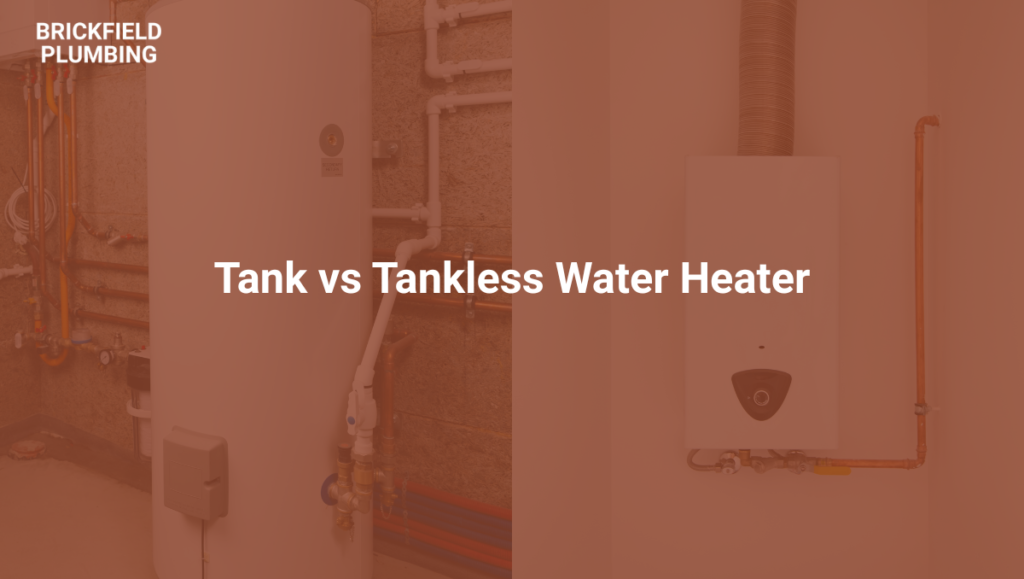
Choosing between a tank vs tankless water heater is an important decision for homeowners replacing an old unit or upgrading their home’s hot water system. The right option depends on your household size, hot water needs, budget, available space, and long-term goals.
Traditional tank water heaters have been used in Canadian homes for decades because they are reliable and affordable. However, tankless systems have become increasingly popular because they offer on-demand hot water and improved efficiency.
Both options have advantages and limitations.
This guide explains the differences between tank and tankless water heaters, including installation costs, energy efficiency, maintenance requirements, and which system may be the best fit for your Kitchener, Waterloo, Cambridge, or Guelph home.
Quick Answer: Tank vs Tankless Water Heater
A tank water heater stores and heats a set amount of water, making it a reliable and affordable option for many households.
A tankless water heater heats water only when needed, providing continuous hot water while using less energy in many situations.
The best choice depends on:
- Household hot water usage
- Number of bathrooms
- Available space
- Budget
- Energy goals
- Existing plumbing setup
For many homeowners, a traditional tank system remains the most practical choice. Others may benefit from upgrading to a tankless system.
A professional plumber can help determine which option fits your home’s needs.
How Tank Water Heaters Work
Traditional tank water heaters are the most common type found in residential homes.
These systems store a specific amount of heated water inside an insulated tank. When hot water is used, cold water enters the tank and is heated to maintain the supply.
Common tank sizes include:
- 40-gallon units
- 50-gallon units
- Larger capacity systems for bigger households
Advantages of Tank Water Heaters
Tank systems remain popular because they offer:
Lower Upfront Cost
Tank water heaters typically have a lower purchase and installation cost compared with tankless models.
Reliable Performance
They provide a ready supply of hot water and are familiar to most homeowners and plumbers.
Easier Replacement
Replacing an existing tank water heater is usually straightforward because many homes are already designed for this type of system.
Disadvantages of Tank Water Heaters
Tank systems also have some limitations:
Limited Hot Water Supply
Once the stored hot water is used, homeowners may need to wait for the tank to refill and reheat.
Standby Heat Loss
Because water is stored continuously, some energy is used to maintain the temperature even when hot water is not being used.
Larger Space Requirements
Tank water heaters require dedicated space for installation.
How Tankless Water Heaters Work
Tankless water heaters operate differently from traditional systems.
Instead of storing hot water, they heat water only when a faucet, shower, or appliance requires it.
When hot water is turned on, cold water passes through a heating component that warms it instantly before reaching the fixture.
Advantages of Tankless Water Heaters
Endless Hot Water
Because tankless systems heat water on demand, they can provide a continuous supply when properly sized.
This can be beneficial for larger households with high hot water demand.
Improved Energy Efficiency
Tankless systems avoid standby heat loss because they do not continuously maintain a tank of hot water.
Homeowners comparing energy-efficient options can also review ENERGY STAR Canada certified products when researching newer appliances.
Smaller Footprint
Tankless systems are compact and can free up valuable storage space.
Disadvantages of Tankless Water Heaters
Higher Installation Cost
Tankless systems generally have a higher upfront cost because installation may require additional electrical, gas, or venting adjustments.
Maintenance Requirements
Tankless units typically require regular maintenance to manage mineral buildup, especially in areas with hard water.
May Require Upgrades
Some homes may need plumbing or utility upgrades before installing a tankless system.
Tank vs Tankless Water Heater: Comparing Costs
Cost is one of the biggest factors homeowners consider.
Initial Installation Cost
Tank water heaters are generally less expensive to purchase and install.
Tankless systems often require a larger initial investment due to:
- Equipment cost
- Installation complexity
- Possible upgrades
Long-Term Operating Costs
Tankless water heaters may reduce energy waste because they only heat water when needed.
However, the actual savings depend on:
- Household usage
- Energy rates
- System size
- Maintenance
The cheapest option upfront is not always the least expensive option over the lifespan of the unit.
Before choosing a new system, homeowners should also consider whether their current water heater needs repair or replacement. Factors such as the age of the unit, repair frequency, and long-term operating costs can help determine the best option. Learn more in our guide on repairing or replacing your water heater.
Tank vs Tankless Water Heater: Energy Efficiency
Energy efficiency is another important consideration.
Tank systems continuously maintain stored water temperature, which can result in standby heat loss.
Tankless systems eliminate this because they only operate when hot water is required.
However, efficiency depends on proper installation, regular maintenance, and choosing the right system size. Homeowners comparing gas-powered water heating options can also review natural gas energy efficiency information to better understand how energy use can impact household operating costs.
A professional plumber can help homeowners compare options based on their household’s actual needs.
Maintenance Differences Between Tank and Tankless Water Heaters
Both systems require maintenance to operate properly.
Tank Water Heater Maintenance
Maintenance may include:
- Checking for leaks
- Inspecting connections
- Monitoring performance
- Flushing sediment buildup
Tankless Water Heater Maintenance
Tankless systems may require:
- Mineral buildup removal
- System flushing
- Component inspections
Homes throughout Waterloo Region often experience hard water, which can contribute to mineral buildup in plumbing appliances.
Regular maintenance can help protect your investment and extend system lifespan.
Tank vs Tankless Water Heater: Which Is Better for Your Home?
There is no single answer because every household is different.
A tank water heater may be better if you want:
- Lower upfront costs
- Simple replacement
- Reliable performance
- A familiar system
A tankless water heater may be better if you want:
- Continuous hot water
- More installation flexibility
- Improved efficiency
- A smaller footprint
The best option depends on your home’s plumbing setup and your family’s hot water habits.
Choosing the Right Water Heater for Your Kitchener Home
Homes throughout Kitchener, Waterloo, Cambridge, and surrounding areas have different plumbing systems and water usage patterns.
Factors to consider include:
- Number of people in the household
- Number of bathrooms
- Existing fuel source
- Available installation space
- Water quality
- Future renovation plans
For homeowners planning a replacement, our guide on Water Heater Installation in Kitchener explains what to expect when choosing and installing a new system.
Frequently Asked Questions About Tank vs Tankless Water Heater
Is a tankless water heater better than a tank water heater?
A tankless water heater may be better for homeowners who want continuous hot water and improved efficiency, while tank systems remain a reliable and affordable option for many households.
Does a tankless water heater save money?
Tankless systems can reduce energy waste, but savings depend on household usage, energy costs, installation, and maintenance.
How long does a tankless water heater last?
With proper maintenance, tankless systems can often last longer than traditional tank water heaters.
Are tankless water heaters good for large families?
They can be a good option for larger households when properly sized for the family’s hot water demand.
Why Homeowners Trust Brickfield Plumbing
Choosing between a tank vs tankless water heater can be difficult without professional guidance.
Brickfield Plumbing helps homeowners throughout Kitchener, Waterloo, Cambridge, Guelph, and surrounding communities choose the right water heating solution for their homes.
With more than 25 years of residential plumbing experience, Brickfield Plumbing provides:
- Water heater installation
- Water heater replacement
- Water softener installation
- Drain cleaning
- Leak repairs
- Bathroom renovation plumbing
Whether you are replacing an old system or exploring tankless options, Brickfield Plumbing provides honest recommendations and quality workmanship.
Final Thoughts: Choosing Between Tank and Tankless Water Heaters
When comparing a tank vs tankless water heater, the right choice comes down to your household needs, budget, and long-term goals.
Tank systems remain a dependable choice for many homeowners, while tankless systems provide benefits such as continuous hot water and improved efficiency.
Before making a decision, speak with an experienced plumber who can evaluate your home’s setup and recommend the best option.
A properly selected and installed water heater can provide reliable hot water, better efficiency, and peace of mind for years.